

Why you're undercharging and what to do about it
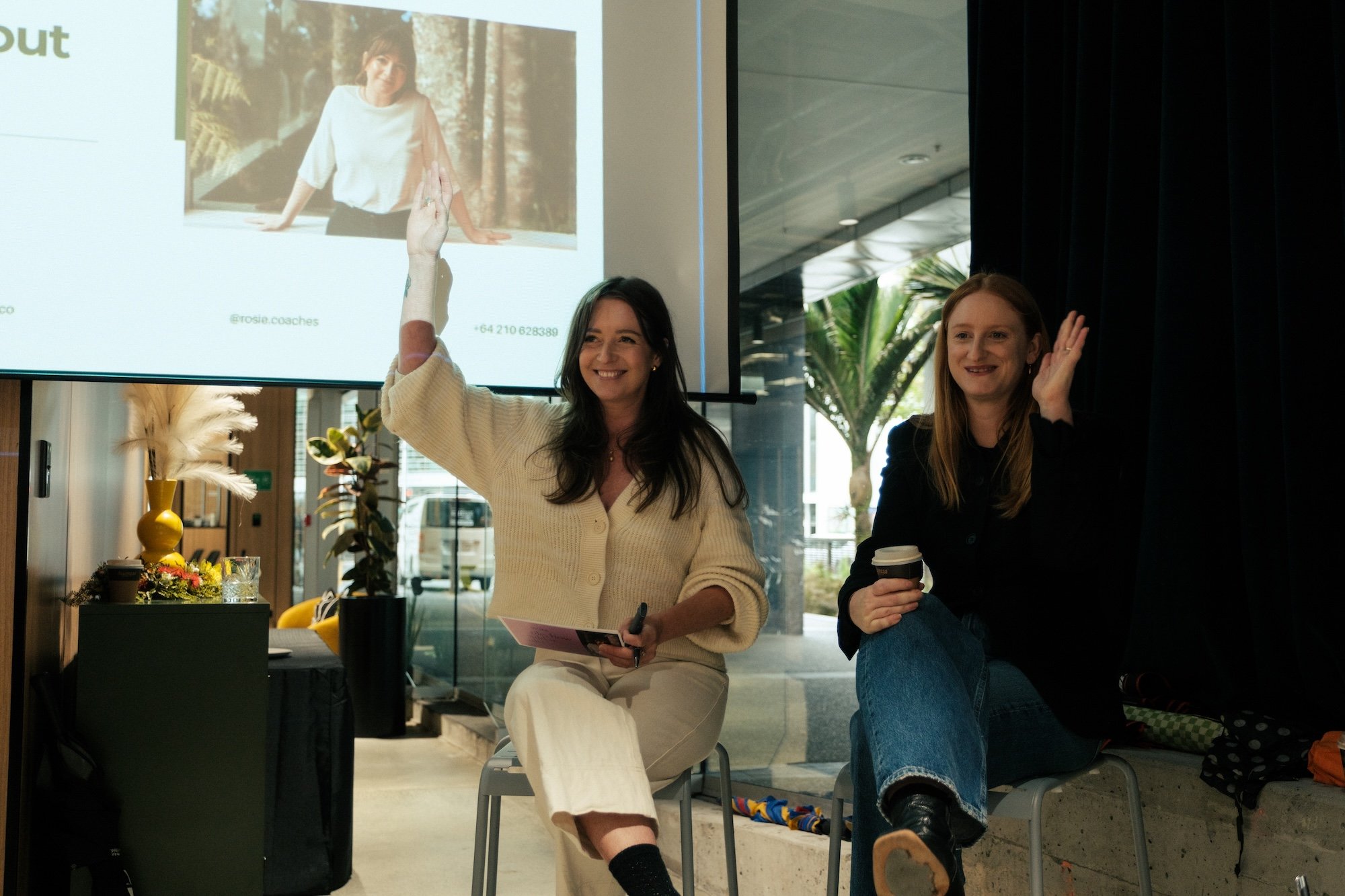
Hands up if you want to charge more!
You're good at what you do. Really good.
So why does raising your prices still feel terrifying?
A few weeks ago I hosted a masterclass called How to Raise Your Prices - I expected questions about pricing strategy, retainers, proposals and profit margins.
But what I got was an audience of creatives and consultants who were full of fear.
Fear of charging too much.
Fear of being perceived as too expensive.
Fear of hearing the word ‘no’ and missing out on a job.
Once we got started and the audience shared their experiences I realised there were more parallels :
They were talented. They were experienced. They were delivering great results for their clients…but they were STILL undercharging.
For most of the people in the room, they didn't know who their audience was or how to communicate their value to them.
It turned out the issue wasn't their pricing but their positioning.
I'll come back to this in a minute…
The reason so many businesses still price based on time is because we haven't understood what our clients are buying.
It's not hours deliverables, revisions, meetings and the rest of it..
Clients aren't buying your time. They're the result your work creates for them.
A brand designer isn't selling a logo.
They're creating credibility.
A marketing consultant isn't selling a marketing plan.
They're creating visibility, leads and business growth.
A social media manager isn't selling Instagram posts.
They're helping businesses stay visible and top-of-mind with potential customers.
A business coach isn't selling coaching sessions.
They're helping people make better decisions, faster.
A strategist isn't selling ideas.
They're helping businesses avoid costly mistakes and accelerate growth.
A PR consultant isn't selling media coverage.
They're building credibility and positioning.
When we anchor our pricing to tasks, we cap our earning potential.
But when we anchor our pricing to outcomes, our earning potential increases.
So, said with love, I need you to….
Stop selling deliverables and start selling outcomes.
The Four Pillars Of Pricing
When people ask me how to raise their prices, I always come back to four things.
Here's where we get a clearer idea of our position in the marketplace.
1. The Value You Create
Before we can charge more, we need to understand what we're actually creating.
Many creatives focus on what they do.
Clients focus on what they get.
There's a big difference.
Ask yourself:
What problem am I solving for clients?
What becomes easier for them because of my work?
What opportunities are created for this client because I was involved?
The larger the impact, the easier it becomes to justify premium pricing.
One framework I shared in the masterclass was simple:
We need to stop charging for our time and start charging for results.
2. Who You're Selling To
Not every client can afford premium pricing and that's OK.
The easiest way to charge higher prices is often not changing your offer.
It's changing your audience.
If you're consistently attracting people who question your pricing, negotiate every project, or perpetually pay invoices late, it may be time to examine who you're marketing to.
Pricing acts as a filter.
It attracts some people and repels others.
The goal isn't to appeal to everyone.
It's to attract the right people.
3. How You Articulate Value
You can be the best designer, strategist or creative in the room.
But if nobody understands the value you bring, it doesn't matter.
Many creative businesses talk about services.
Few talk about outcomes. And that's what your clients are buying.
Your clients don't really care about your process, they care about what changes because of it.
Your marketing should answer questions like:
What problem do you solve for the client?
What transformation do you create for them?
Why should someone trust you?
If your messaging focuses purely on deliverables, clients will compare you on price.
If it focuses on outcomes, clients compare you on value.
4. Your Conviction
This is the one nobody wants to talk about.
You can have the perfect pricing strategy, the perfect positioning or the perfect proposal.
And still struggle to charge more. Why?
Because clients are attracted to certainty.
If you hesitate when discussing pricing, apologise for your rates, discount too quickly or constantly question your worth, people feel it.
Confidence isn't just a mindset issue.
It's a sales strategy.
One of the biggest shifts creatives need to make is moving from seeing themselves as order takers to experts.
Experts lead.
Experts recommend.
Experts charge accordingly.
Three Things To Do This Week
If you're considering raising your prices, start here:
Audit Your Testimonials
Look for outcomes, not compliments. ‘Rosie was lovely to work with’ is not a compelling testimonial.
What measurable results have clients achieved because of your work?
That's where your value lives. That's what you need to have on your website and in all comms.
Review Your Messaging
How often do you talk about deliverables versus transformation?
If most of your marketing focuses on outputs, rewrite it through the lens of outcomes you generated for your clients.
Ask Yourself This Question
If you knew without doubt that your work creates value for clients, what would you charge?
Most creatives already have the expertise required to charge more.
The challenge isn't acquiring more skills it's recognising the value that's already there.
Because somewhere out there is a version of your business that pays you properly, values your expertise and attracts better clients.
The difference between that business and this one?
Often, it's just the price tag.
Loved this article but want to apply your new pricing strategy in your business?
Get your hands on my Business Success Workshop and start attracting more clients and customers without piling more on your plate.
Want to chat some more?
I love a chat on Insta